
25 Year Anniversary of the Exxon Valdez Alaskan Oil Spill
Taressa George
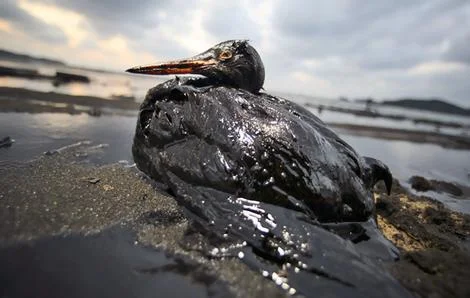
Exxon Mobile recently became the first oil and gas producer to agree to a new level of transparency about the risks placed on their business by more strict carbon emission limits. It's nice to see progress from a company responsible for one of the most tragic environmental events of our time, but we still have a long way to go before our waters are completely safe from the threat of future environmental disasters.
The Alaska oil spill of 1989 did result in a few immediate changes in the industry. Oil tankers' double hull design requirements, for one, and more stringent operating procedures for transporting oil in Alaskan waters, both of which have contributed to a drop in shipping spills. However the damaged caused by the spill 25 years ago is not over.
Alaska's coastal ecosystem is permanently damaged. Thousands of gallons of Exxon Valdez oil still pollute the beaches of Prince William Sound; this oil is still toxic and still hurting the ecosystem near the shore.
Unfortunately, the only sure way to prevent future spills in our waters is to reduce our reliance on gas and oil. Read more at Ceres.org, CNN.com, The New York Times, and the Exxon Valdez Oil Spill Trustee Council.
We'd like to hear your thoughts. What do you think should be done to ensure your favorite summertime beach isn't destroyed by oil?